
Blog

The ROI of Team Coaching: What the Data Actually Shows
The CFO had one slide open and one question ready. "We spent real money on coaching the leadership team last year. What did we actually get? What was the ROI of team coaching?" Dana, the Chief People Officer, had seen this moment coming for weeks. She believed the...

The Blind Spot at the Top: Why Self-Awareness Is a Business Strategy
The Meeting Where Nobody Said the Real Thing Renata ran a $70 million manufacturing company, and by every visible measure, she was good at it. Revenue was up. Her leadership team was smart and loyal. She’d built the kind of culture other CEOs asked her about at...

From Silos to Systems: A Practical Framework for Cross-Functional Collaboration
The new CRM launched in March. By September, half the sales team was still working off of a spreadsheet. Nobody rejected the new system outright. Information Services had done real diligence, the platform was a genuine upgrade, and leadership had signed off on the...

The Stakeholder Gap: Why High-Performing Teams Keep Their Eye on Who They Serve
Most leadership teams can describe their strategy in real detail. Fewer can name, with precision, who that strategy actually exists to serve. That gap has a name. I call it the stakeholder gap, and it is one of the most common and most underdiagnosed drivers of team...

Retention: Why Your Best People Are Leaving (And It Has Nothing to Do With Their Salary)
Here's the assumption that's costing you top talent: the belief that employees leave for better money. Some do. Yet, the research, including Gallup's widely cited workforce studies, consistently points to the same uncomfortable conclusion: compensation is rarely the...

Your Team Has a Problem. You Just Haven’t Recognized the Team Dysfunction Yet.
Here's the truth most teams don't say out loud: team dysfunction rarely announces itself. There's no memo, no crisis meeting, no single moment of failure. Instead, it shows up quietly, in the meeting after the meeting, in the email threads that go around the room...
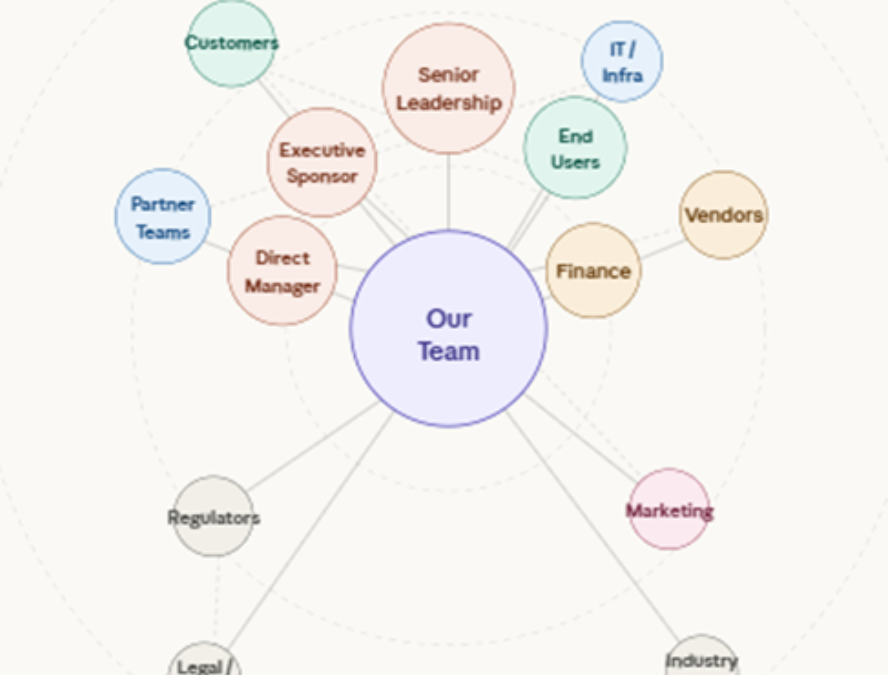
Why Reframing Your Team as a System Is a Game Changer
Most teams work hard. They prepare for meetings. They align on goals and strategy (or try to). They tackle the big decisions and try to move the things forward. And still, something doesn't quite land. Silos persist. Stakeholders feel underserved. The same tensions...

Lead Your Team to Build Team Systems and Processes That Serve the Work
High-performing teams don’t run on effort alone. They run on systems: how work gets planned, decisions get made, information flows, and results are reviewed. When those internal processes are unclear or misaligned, even talented teams stall. Leaders often try to fix...

Why Strong Teams Don’t Just Communicate More; They Communicate Differently
Most teams default almost exclusively to problem-solving. But when every conversation is about fixing something, teams lose the opportunity to think, learn, and align at a deeper level.
Clutterbuck and Megginson’s research on dialogic conversations highlights the range of conversations leaders and team members need to have to stay effective.

Why Team Purpose Is the Missing Link Between Strategy and Results
Most teams don’t fail because they lack talent, intelligence, or effort. They fail because they’ve lost sight of why their work matters, their purpose. In today’s fast-moving, high-pressure organizations, teams are asked to deliver results while absorbing constant...